
Planned Tree Works: Why a Proactive Approach Matters
What are planned tree works?
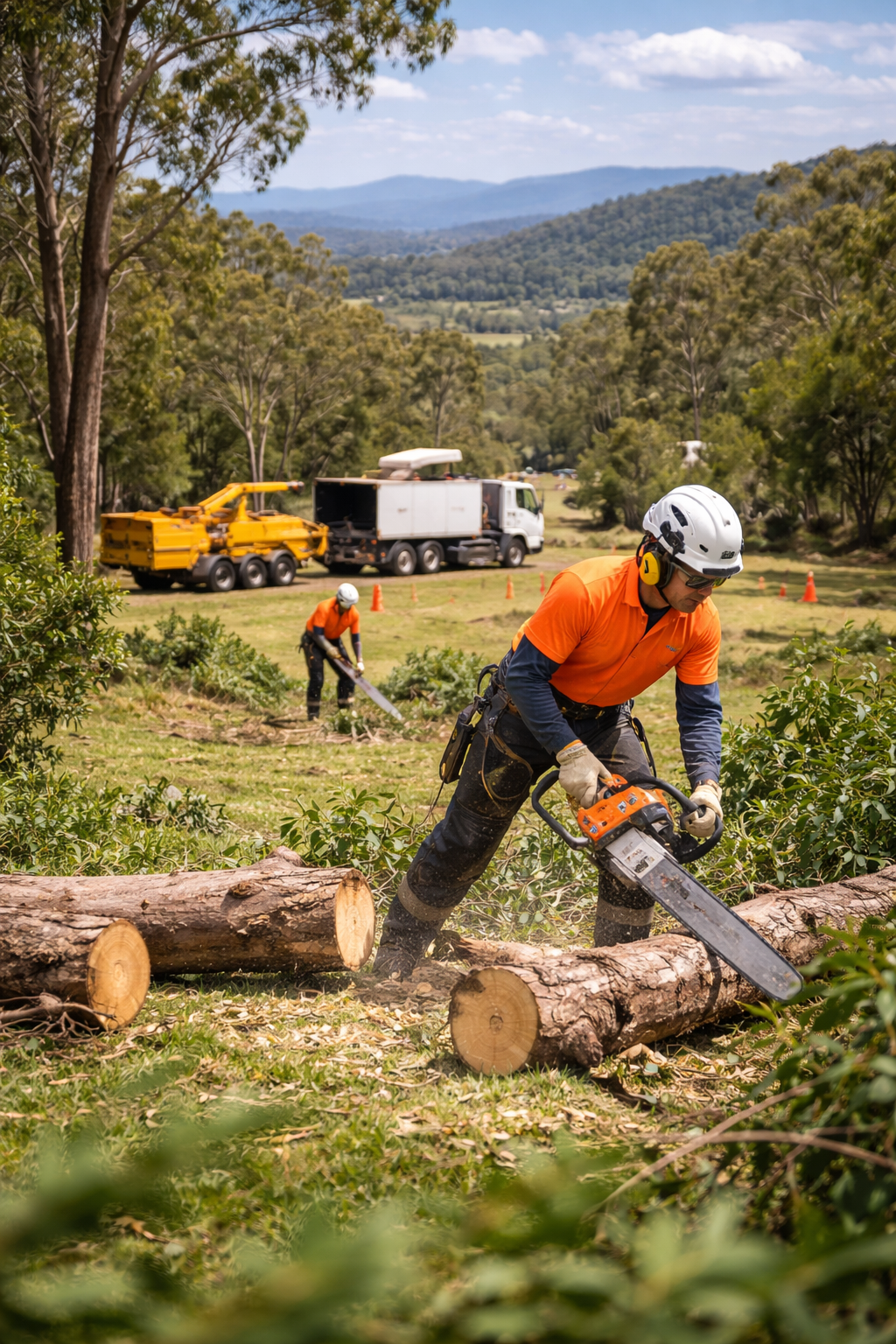
Planned tree works refer to tree maintenance activities that are scheduled in advance rather than carried out in response to an emergency or sudden failure.
These works may include:
scheduled pruning
canopy management
deadwood removal
clearance management around buildings, roads and pathways
arborist inspections and assessments
tree health monitoring
maintenance based on seasonal or site-specific needs
Rather than waiting until a branch fails, a tree declines or access is impacted, planned tree works focus on identifying and addressing issues early.
Why planned tree works are important
A structured approach to tree maintenance helps organisations manage their tree assets more effectively.
Trees are living assets. They change over time, respond to environmental pressures and can be affected by storms, drought, construction impacts, soil conditions and general ageing. Without regular monitoring and maintenance, small issues can become larger safety, access or asset management problems.
Planned tree works help reduce this risk by creating a more predictable and informed approach.
The benefits of a planned approach
1. Improved risk management
One of the main benefits of planned tree works is the ability to identify concerns before they become urgent.
Regular inspections and maintenance can help detect:
deadwood
structural weakness
canopy imbalance
declining health
clearance issues near buildings or access ways
branches affecting vehicles, pedestrians or infrastructure
This supports earlier intervention and can reduce the likelihood of unexpected failures.
2. Better protection for surrounding assets
Trees often sit close to valuable infrastructure such as buildings, fences, car parks, footpaths, roads, signage and underground services.
When tree growth is not actively managed, it can create avoidable issues for the surrounding site. Planned works help maintain safe clearances and reduce the risk of damage to nearby assets.
3. Reduced emergency call-outs and reactive decisions
Emergency tree works will always be necessary in some situations, particularly after storms or where a tree has declined beyond recovery.
However, not every issue needs to reach that point.
A proactive maintenance program can help reduce avoidable emergency call-outs by addressing known issues earlier. It also allows organisations to make more considered decisions rather than reacting under pressure when a problem has already escalated.
4. More predictable budgeting and scheduling
Reactive works are often more disruptive and more difficult to plan for.
Planned tree works allow organisations to schedule maintenance more efficiently, prioritise sites based on need and manage budgets with greater certainty. This is particularly valuable for those managing multiple properties, facilities or larger tree populations.
5. Preservation of tree value
Mature trees provide more than shade or visual appeal. They contribute to the environmental and amenity value of a site and can play an important role in how a space functions and feels.
With the right maintenance approach, many trees can be retained and managed successfully for longer. Planned tree works support this by helping maintain tree health, structure and suitability within the surrounding environment.
Planned works versus emergency works
There is an important difference between planned tree works and emergency response.
Emergency works are reactive. They usually happen when a tree has already failed, become unsafe or started affecting access, safety or infrastructure.
Planned tree works are proactive. They focus on identifying risks, managing growth and maintaining tree condition before a situation becomes urgent.
Both are important, but a strong planned maintenance approach can help reduce the frequency and cost of reactive works over time.
Who benefits most from planned tree works?
Planned tree works are especially valuable for organisations responsible for:
facilities and property portfolios
commercial sites
strata and body corporate properties
schools and education sites
councils and public spaces
government assets
aged care and health facilities
tourism and accommodation sites
Where multiple trees are spread across one or more locations, a planned approach creates greater visibility, consistency and control.
A more sustainable way to manage tree assets
Tree management is often easiest to justify when there is a visible issue. But the real value of planned tree works is in what they help prevent.
By addressing problems early, organisations can better manage safety, protect assets, reduce reactive costs and support better long-term outcomes for the trees under their care.
Planned tree works are not just about appearance. They are a practical part of responsible asset and risk management.
Looking for a proactive approach to tree management?
Learn more about our Planned tree works services here or click on the link below to get in touch for a free quote.