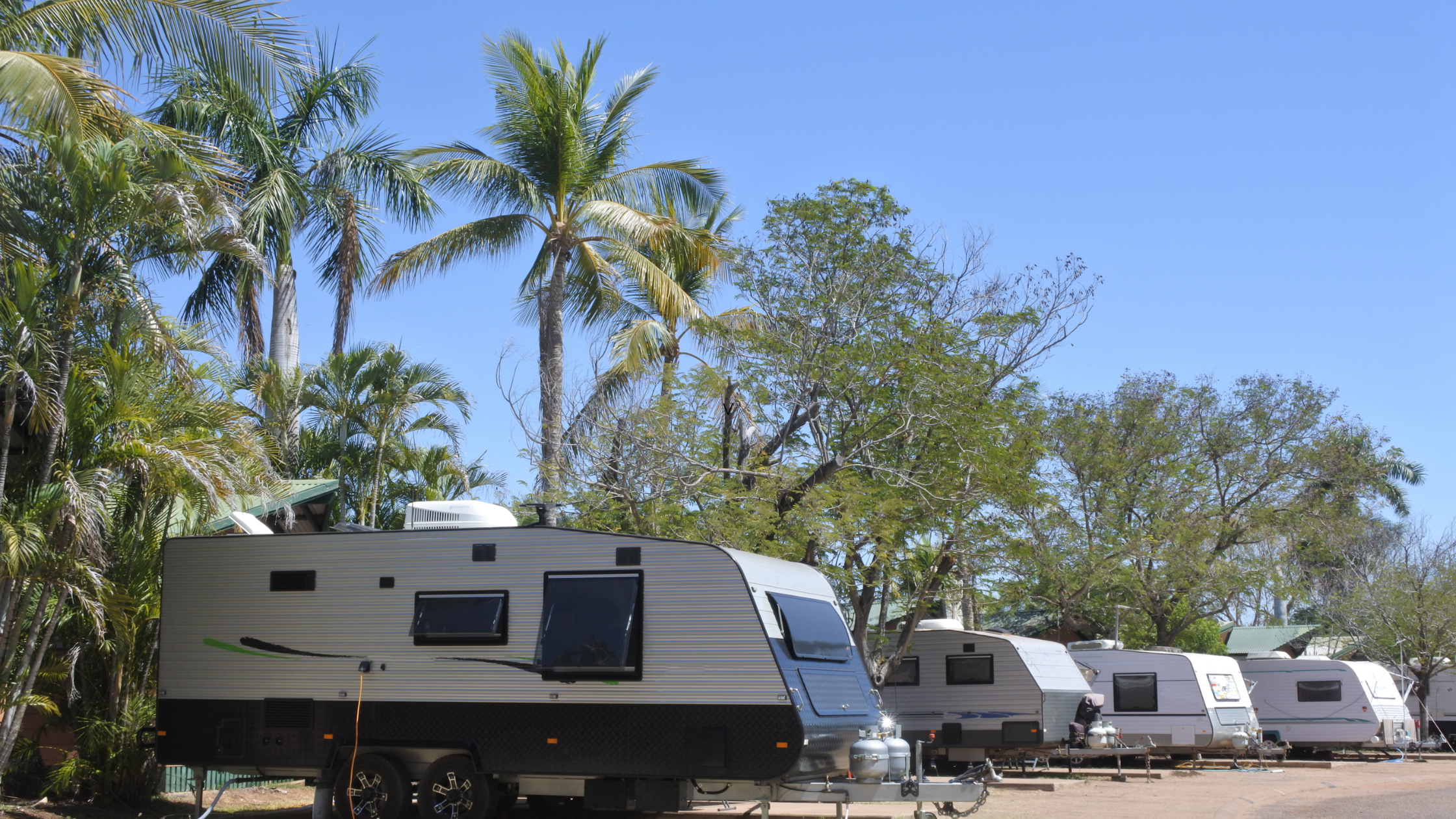
Tree issues in a holiday park rarely stay confined to the tree itself.
A fallen branch can close a campsite, damage a cabin, block an internal road or disrupt guests during one of the busiest periods of the year.
While unexpected failures cannot always be prevented, effective tree management needs more than a response when something goes wrong. It requires planned assessments, clear priorities and someone responsible for making sure recommended actions are completed.
Here are six signs your holiday park may need a more proactive approach.
1. There is no planned tree risk assessment audit program in place
If tree assessments only happen when a concern is raised or after a storm, there may be no consistent picture of tree risk across the park.
A planned assessment program establishes when trees need to be inspected, which areas require attention and when follow-up assessments are due.
This is particularly relevant around:
Cabins, campsites and caravan sites
Playgrounds, pools and shared amenities
Internal roads, car parks and pedestrian areas
Inspection timing should reflect the site, tree condition, previous recommendations and how surrounding areas are used.
A structured program helps park managers plan ahead and monitor changes over time, rather than starting again with each incident.
2. Tree risks are not assessed using a recognised methodology
A list of tree defects does not, on its own, tell a park manager which actions should take priority.
A recognised assessment methodology, such as Quantified Tree Risk Assessment (QTRA), provides a structured basis for evaluating risk and prioritising management actions.
The assessment needs to consider the tree alongside its surroundings, including the people, accommodation and infrastructure that could be affected.
This helps managers understand which concerns require prompt action, which works can be scheduled and where monitoring or further investigation is appropriate.
Clear priorities turn assessment findings into practical decisions about maintenance, budgets and site operations.
3. No one clearly owns the recommended actions
Even a detailed assessment has limited value if responsibility for the next steps is unclear.
When recommendations sit between park management, maintenance teams, contractors and head office, works can be delayed or overlooked.
There should be a nominated person responsible for coordinating the response, tracking progress and confirming that recommended actions have been completed.
A clear record should show:
What action is required and its priority
Who is responsible for progressing it
When it is due
Whether it has been completed
What follow-up assessment or monitoring is required
For multi-site operators, this also provides greater visibility across the portfolio and supports continuity when staff or contractors change.
4. Approved, prequalified arborists are not in place before work is needed
Finding a suitable arborist after a tree fails can add pressure to an already disruptive situation.
Contractor availability, qualifications, insurance and suitability for the work all need to be considered. Restricted access around cabins, caravans and guests can make the job more complex.
Having approved, prequalified arborists in place allows these checks to be completed before an urgent need arises.
It also supports planned maintenance, with contractors engaged to undertake the recommended works within agreed timeframes.
For park managers, this means a clearer process for arranging work and less time spent sourcing suitable contractors during an emergency.
5. Visible damage is used as the assessment process
Visible damage can prompt further investigation, but it should not replace a structured tree assessment.
Dead branches, cracks, fungal growth or a change in lean may indicate a concern. Other health or structural issues can be harder to recognise without arboricultural expertise.
Relying on visible damage alone may mean issues are only addressed once they become obvious.
Earlier assessment can help determine whether a tree needs pruning, monitoring, further investigation or removal. It can also support the retention of valuable trees where appropriate.
The aim is to make informed decisions about tree risk while preserving the shade, character and amenity guests value.
6. Tree works are regularly undertaken after storms
Emergency tree work will always have a role following severe weather or sudden failures.
However, if most tree work happens after storms, it may indicate that maintenance is being driven by events rather than an established program.
Reactive work can bring additional challenges, including:
Unplanned costs and limited contractor availability
Temporary closures or exclusion zones
Difficult access around guests and vehicles
Disruption to accommodation and shared facilities
Planned assessments and priority maintenance help managers address identified concerns before severe weather or peak occupancy periods.
They also provide a clearer starting point after a storm, with existing records available to inform reassessment and the response.
Moving from reactive work to proactive management
Proactive tree management does not mean removing more trees or eliminating every possible risk.
It means having a planned assessment program, a recognised method for prioritising risk, clear responsibility for actions and suitable arborists ready to undertake the work.
For holiday park operators, this supports guest and staff safety, more predictable maintenance budgets and better coordination around busy periods.
The result is a practical program that connects assessment findings with completed works, while retaining the trees that contribute to the park’s natural appeal.
Is your park managing tree risk-or responding to it?
Enviro Trees provides independent arboricultural consulting, tree risk assessments and tree management plans for holiday parks and multi-site operators across Australia.
We help clients turn assessment findings into clear priorities and coordinate the tree works required through our national network of qualified Tree Partners.
To discuss a planned approach to tree management across your park or portfolio, contact Enviro Trees on 1300 077 233 or visit envirotrees.au.