Aerial rescue: every climber’s responsibility, every team’s priority.
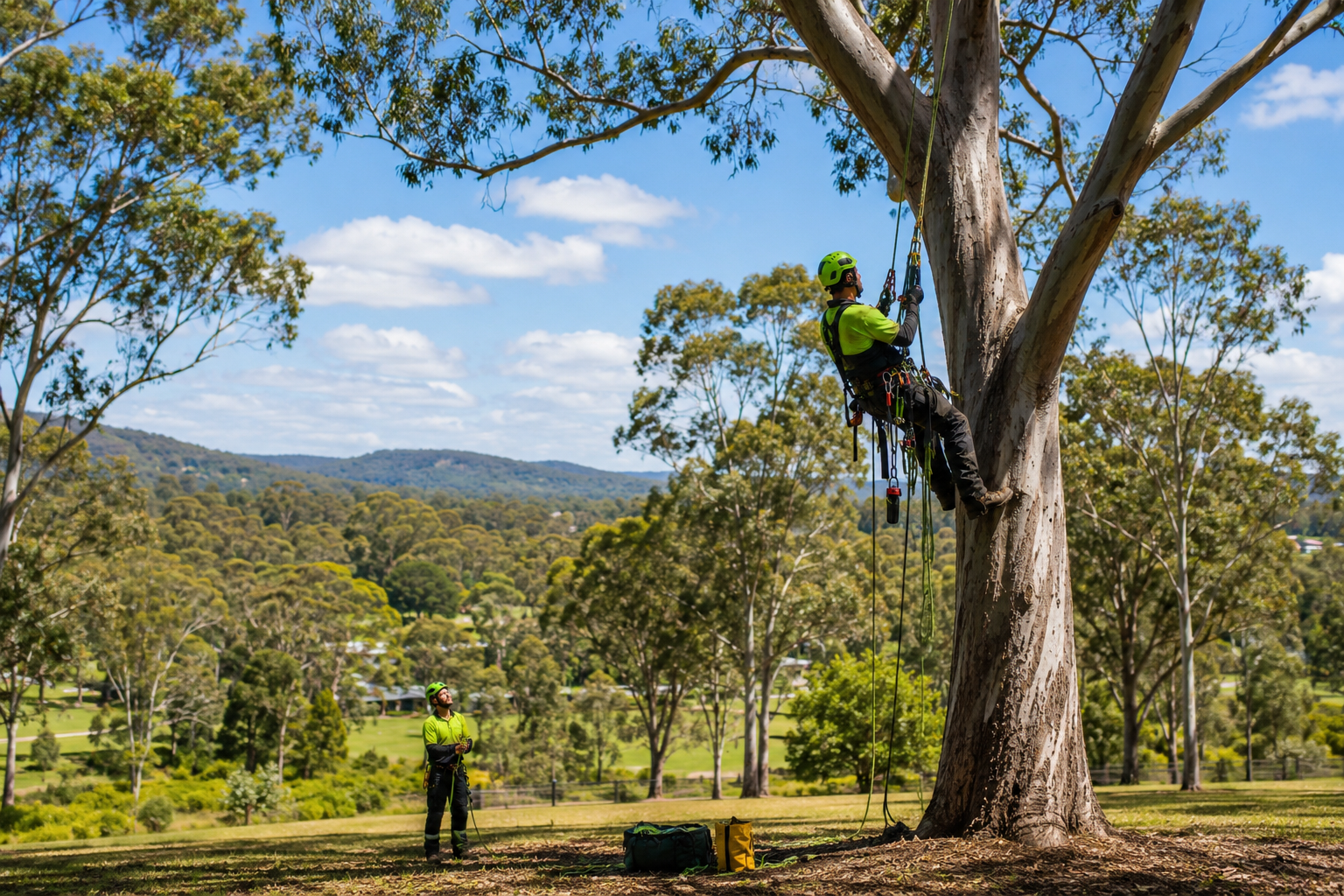
It has always surprised me how our industry can be flippant when it comes to the topic of rescue, the thought that it will never happen to me or that the climber is a gun and will never need to be rescued are just two examples.
The reality is that every work site where you have a climber in a tree, you should have a rescue plan, a designated rescue kit, and a designated person on the ground trained, qualified, and capable of performing a rescue should it ever be required.
The minimum requirements are:
Safe Work Australia (section 4.1): At least one other member of the crew on site should be trained and competent in the task being completed. and should hold the applicable national qualification in aerial rescue.
Being trained and qualified in aerial rescue is not the end of the story, a big thing that gets overlooked is practice and maintaining these learnt skills and abilities. If you are reading this and you are the owner or manager of a tree company, I want you to take a moment and ask yourself: When was the last time the team/s practiced aerial rescue?
Have you got the process documented?
Carving out some time for the team to practice aerial rescue not only keeps their skills sharp and boosts moral but also assists you should the worst happen.
Other overlooked features of aerial rescue are having trained and qualified first aiders, a stocked and in date first aid kit on site. First aid qualifications for staff and items from a first aid kit have a shelf life and need to be replaced and updated regularly to maintain competency.
Having a personal first aid kit on your climbing harness when working could make the difference in a rescue scenario. The climber (if able) can tend to an injury while your teammate is coming to rescue you, saving vital time when dealing with a trauma injury.
We have compiled an example checklist below, please feel free to use and adapt to your business:
EXAMPLE Checklist for Australian Arborist Crews
Minimum 2-person team with trained rescue capability
Aerial rescue plan documented and understood
SWMS includes high-risk activity and rescue measure
Rescue kit on-site and inspected (3-monthly + pre-use)
PPE compliant with AS/NZS standards
Communication system working and field-tested
First aid and trauma kits available
Emergency services details logged and accessible
Recent documented rescue drills completed
Qualifications and competencies up to date
Each Enviro Trees’ crew should complete a sign off sheet after each tool box talk, to confirm understanding and keep on file for audit purposes.
See link to download below.