
When Is a Tree Exempt from Council Approval?
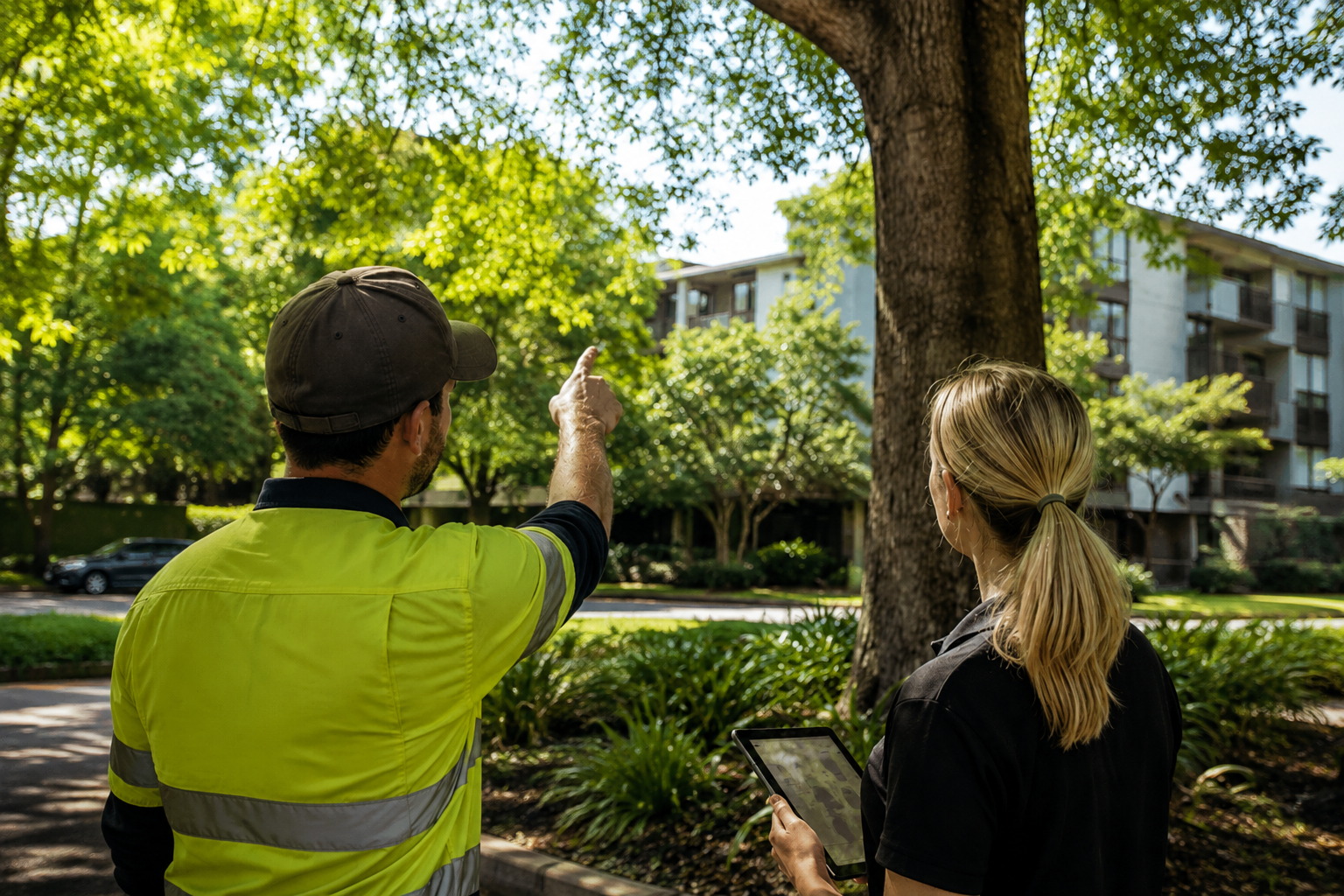
An “exempt” tree is a tree that may be pruned or removed without formal council approval, but only when it meets specific exemption criteria set by the relevant council or planning controls.
Exempt does not mean unregulated, automatic or risk-free. It means the work may be allowed without a permit if the exemption can be clearly justified.
Common exemption examples include dead, dying or immediately dangerous trees, listed exempt species, limited safety pruning, or works covered by specific bushfire vegetation-clearing rules. These examples vary by council and should never be assumed.
Councils commonly assess exemptions by considering the tree’s species, size, condition, location, proximity to structures and the type of work proposed. Overlays such as heritage, significant-tree, biodiversity, habitat or bushfire controls can override an exemption, even where the tree appears to qualify on another ground.
If questions are raised later, councils may ask for evidence showing why the work qualified as exempt.
Size alone is not decisive: a large tree is not automatically protected, and a smaller tree is not automatically exempt.
Where eligibility is uncertain, get arboricultural advice and keep supporting documentation before works begin.
Quick exemption checklist
Check the council rules: exemptions differ between local government areas.
Confirm the exemption: species, size, condition, location and work type all matter.
Check for overrides: heritage, biodiversity, habitat and bushfire controls may still apply.
Keep evidence: photos, species ID, arborist advice and notes should be retained.
If unsure, pause: treat the tree as requiring approval until confirmed otherwise.
The key question is not simply:
“Is this tree exempt?”
It is:
“Could I prove why it was exempt if the decision was questioned later?”
This information is general only. Tree controls should be confirmed with the relevant local authority before works begin.